

Why 2026 is the Year of the “Slow Traveler”
Every day is a tropical summer in Sri Lanka, making this paradise isle a year-round travel destination, even during the monsoon. In 2026, our island is leading the way in regenerative travel, offering experiences that give back to local communities. Whether you are a digital nomad seeking high-speed connectivity in coastal hubs, a history enthusiast exploring UNESCO World Heritage sites, or a wellness seeker looking for authentic Ayurveda retreats, Sri Lanka offers diverse experiences in one compact journey.
The Weather Guide: Deciding the Best Time to Visit Sri Lanka
Planning your trip around the Sri Lankan monsoon seasons is the secret to a perfect holiday. As the monsoons hit different regions at different times, there is always a “dry zone” waiting for you, and this should give you an idea of things to do in Sri Lanka.
| Region | Best Time to Visit | Monsoon Period | Top Activity |
| South & West Coast | Dec – April | May – Sept (Yala Monsoon) | Surfing, Whale Watching, Wildlife |
| East Coast | May – Sept | Oct – Jan (Maha Monsoon) | Diving, Pristine Beaches |
| Cultural Triangle | Jan – March | Oct – Dec (Inter-monsoon) | Ancient Ruins, Safaris, Culture |
| Hill Country | March – May | Year-round (Misty rain) | Tea Trails, Hiking, Wildlife |
Pro Tip: If you want to avoid the crowds, visit during the shoulder seasons (April or September). You’ll get “medium sunshine,” lower hotel rates, and lush, green landscapes perfect for photography.
1. Surreal Sunsets & Ethical Coastal Adventures
We may be a “teardrop in the ocean,” but our 1,300km coastline is a world-class hub for sustainable marine tourism. In 2026, the focus is on ethical whale watching and wildlife encounters that respect the natural habitat of Blue whales, Spinner dolphins, and Green turtles.
- For Thrill Seekers: Catch the legendary swells in Arugam Bay (East Coast) or the beginner-friendly waves of Weligama. For something truly adrenaline-pumping, head to Kalpitiya in the North West—now recognized as one of Asia’s emerging kite-surfing hotspots.
- For History & Leisure: Walk the ramparts of the Galle Fort at golden hour to see colonial architecture meet the Indian Ocean. Whether you’re staying in a luxury boutique resort or a sustainable beach cabana, wind down to an unmissable Sri Lankan sunsets during your stay.
2. The Pekoe Trail: Through the Tea Country by Foot


Sri Lanka has now been officially recognised as a premier global destination for long-distance trekking. The Pekoe Trail, a 300km curated walking path through the Central Highlands, is now fully operational across its most scenic stages. It has been designed to promote sustainable community-focused, eco-friendly tourism, by allowing hikers to directly support local villages and tea plantation communities. To complete this trail a moderate level of fitness would be ideal and we recommend that it is walked during the dry season (November to April). The trail connects from Kandy to Ella.
The Experience: Soak in what nature has to offer – Walk through mist-covered tea estates and rolling emerald hills. Sacred temples emerge between the trees. Remote villages remain untouched by time. This is slow travel at its finest.
3. The “Decision Detox”: Curated Travel for a RealHoliday
Modern travelers are choosing “Decision-free” getaways to combat burnout. In 2026, Sri Lanka’s heritage boutique hotels have leaned into this by offering all-inclusive, thoughtfully curated programs where every meal, spa treatment, and local excursion is pre-arranged.This is where bespoke travel can help and be the first step in detoxing from taking decisions. A trusted travel agency will be able to provide you with a seamless stress-free vacation.
- Why it’s a must: Stay in restored colonial manors in Nuwara Eliya or eco-retreats in the Knuckles Range where your only job is to arrive.
4. The Digital Nomad Revolution: Work from Paradise

February 2026 saw the launch of the Sri Lanka Digital Nomad Visa, allowing remote workers to stay for up to a year. With high-speed fiber internet now standard in coastal hubs like Weligama and Ahangama, the island is the new global “office.” The South is Sri Lanka’s fastest-growing hub for remote workers.
The Lifestyle: Surf at dawn. Work from a beachfront café by nine. Modern, well-connected coffee shops line almost every Southern town. You can now enjoy a cost of living that is significantly lower than in Europe or Australia.
5. Jaffna Travel Guide: Sri Lanka’s Hidden North
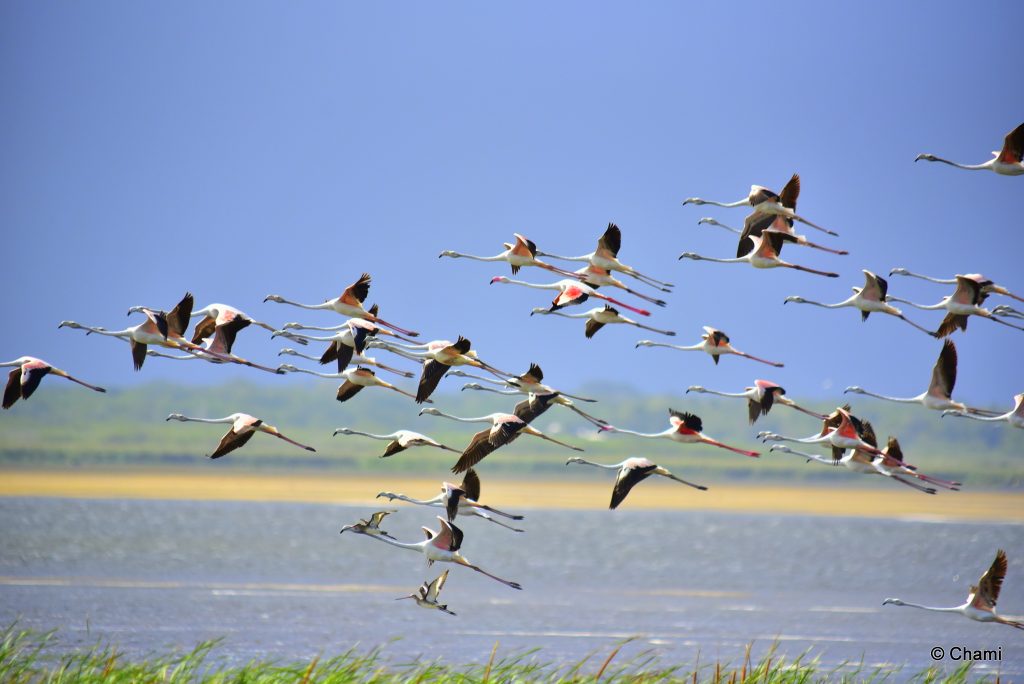
While the South is one of the trendiest spots, 2026 is the year of “Untrending”— seeking the authentic and less-visited. The Jaffna Peninsula, with its reopened Jaffna International Airport, offers a vibrant Tamil cultural experience distinct from the rest of the island. From cuisine to cultural marvels and pristine beaches – the North is a rich technicoloured world of its own that is interwoven with history and hindu culture. The best time to visit its hidden gems is anytime between January – March.
- What to See: The Nallur Kandaswamy Kovil and the tranquil Casuarina and Kankesanthurai Beaches, The Northern-most Point Pedro (Sakkotai Cape), Delft Islands, Keerimalai Hot Springs
6. Slow Travel by Rail: The Reopened Highlands Route

The iconic “Blue Train” journey just got better. The Badulla-Ambewela railway line has been fully restored, offering even deeper access into the “Little New Zealand” of Sri Lanka: with Nuwara Eliya ranking 2nd in Agoda’s guide to Asia’s must-visit hill stations, it belongs on every Sri Lanka itinerary.
- What to See: Badulla sits in Sri Lanka’s hill country, a quieter base for tea estate walks, waterfalls and hikes. Meanwhile Ambewela features well-maintained, lush green pastures with roaming cows, goats, and sheep, alongside wind turbines that enhance the scenic, European-like, hilly landscape. Visitors can explore the farm, see the milking process, take photographs of the scenery, and enjoy the serene atmosphere while maybe indulging in some fresh strawberries with cream.


7. Regenerative Wildlife Safaris: Nature with a Conscience
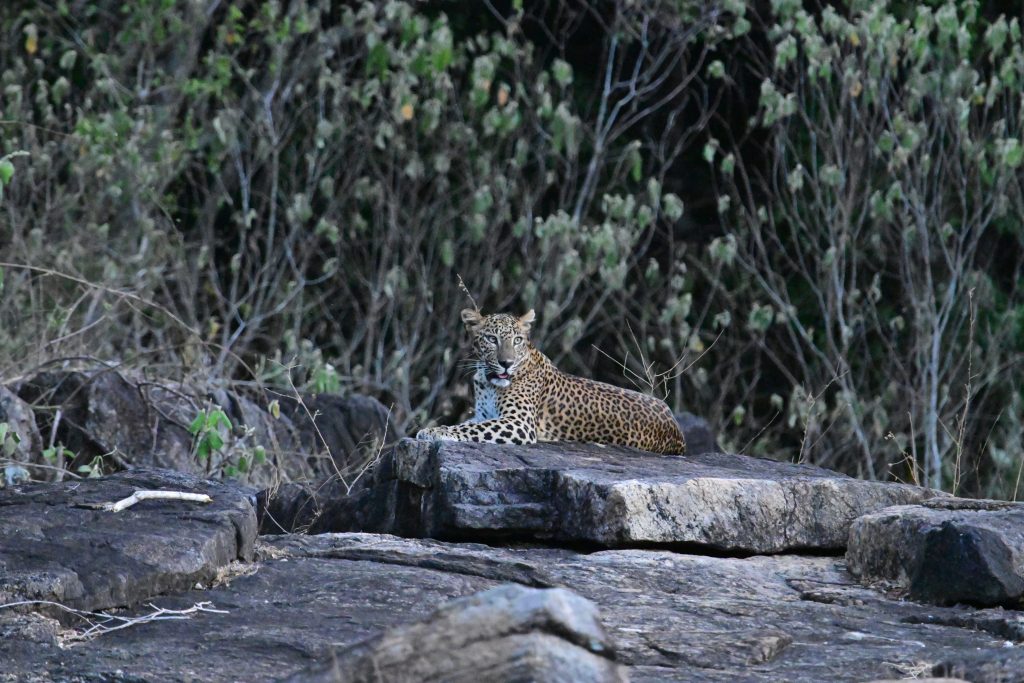
Sri Lanka has moved beyond basic conservation to Regenerative Tourism. In 2026, safaris in parks like Kumana and Udawalawe focus on rewilding and community protection. Further, journeying with a travel agency that ensures ethical wildlife tours means that they partner with knowledgeable and experienced trackers and jeep drivers so that while showing you what Nature has to offer is their job, they will do so with respect for Life in all forms.
- The Highlight: Give back to nature and the community.Private, low-impact jeep tours that ensure a respectful distance from leopards and wild elephant herds.
8. UNESCO Heritage & Living History in Ancient Cities
The Cultural Triangle (Anuradhapura, Polonnaruwa, and Sigiriya) remains a cornerstone of any tour. In 2026, new augmented reality (AR) tours at Sigiriya Lion Rock allow visitors to visualize the palace as it stood 1,500 years ago.
What to see:
Sigiriya — or Lion Rock — rises 200 metres above the Sri Lankan jungle. Built by King Kashyapa in the 5th century, it is one of Asia’s most extraordinary UNESCO sites. At the summit: a palace. On the walls: ancient frescoes. At its base: some of the world’s oldest landscaped water gardens. Few places on earth carry this much history in one climb.
Anuradhapura, located in Sri Lanka’s North Central Province, is a major UNESCO World Heritage Site and the island’s first capital (established 5th Century BC). Renowned for its well-preserved ruins, walk through massive stupas, ancient reservoirs, and the Sri Maha Bodhi, the world’s oldest historically documented tree
Polonnaruwa, the second most ancient kingdom of Sri Lanka (11th–13th centuries) and a UNESCO World Heritage Site. Famous for its ancient ruins and Parakrama Samudra reservoir, it offers a compact, bike-friendly glimpse into ancient Sinhalese and Chola architecture.
9. Ayurveda & Holistic Wellness Retreats in Sri Lanka
Health tourism has evolved into “Glowcations”— travel focused on revitalizing the skin, body, and spirit through Ayurveda. Ayurveda in Sri Lanka is a 3,000-year-old traditional, holistic system of medicine aimed at balancing mind, body, and spirit using herbs, diet, and therapies.
Sri Lanka’s traditional Hela Vedakama (ancient, local, and traditional form of medicine passed down through generations) medicine is now integrated into world-class luxury spas.
The Experience: Multi-day detoxes in Kandy that combine meditation with locally sourced herbal treatments.
10. Community-Driven Gastronomy: Sea-to-Table & Farm-to-Table
In 2026, the food scene is all about Hyper-Localism. Travelers are skipping generic hotel buffets for “Sea-to-Table” / “Farm-to-table” dining where you learn to cook what was caught or hand-picked that day.

- The Experience: Get ready to taste authenticity and freshness from handpicked ingredients that you will learn how to prepare by locals themselves, take a private cooking class and prepare your own traditional Sri Lankan meal.
- The Outcome: An unforgettable meal that also supports local communities Buying from local farmers keeps money within the community, supports family farms, and promotes agricultural diversity.
